

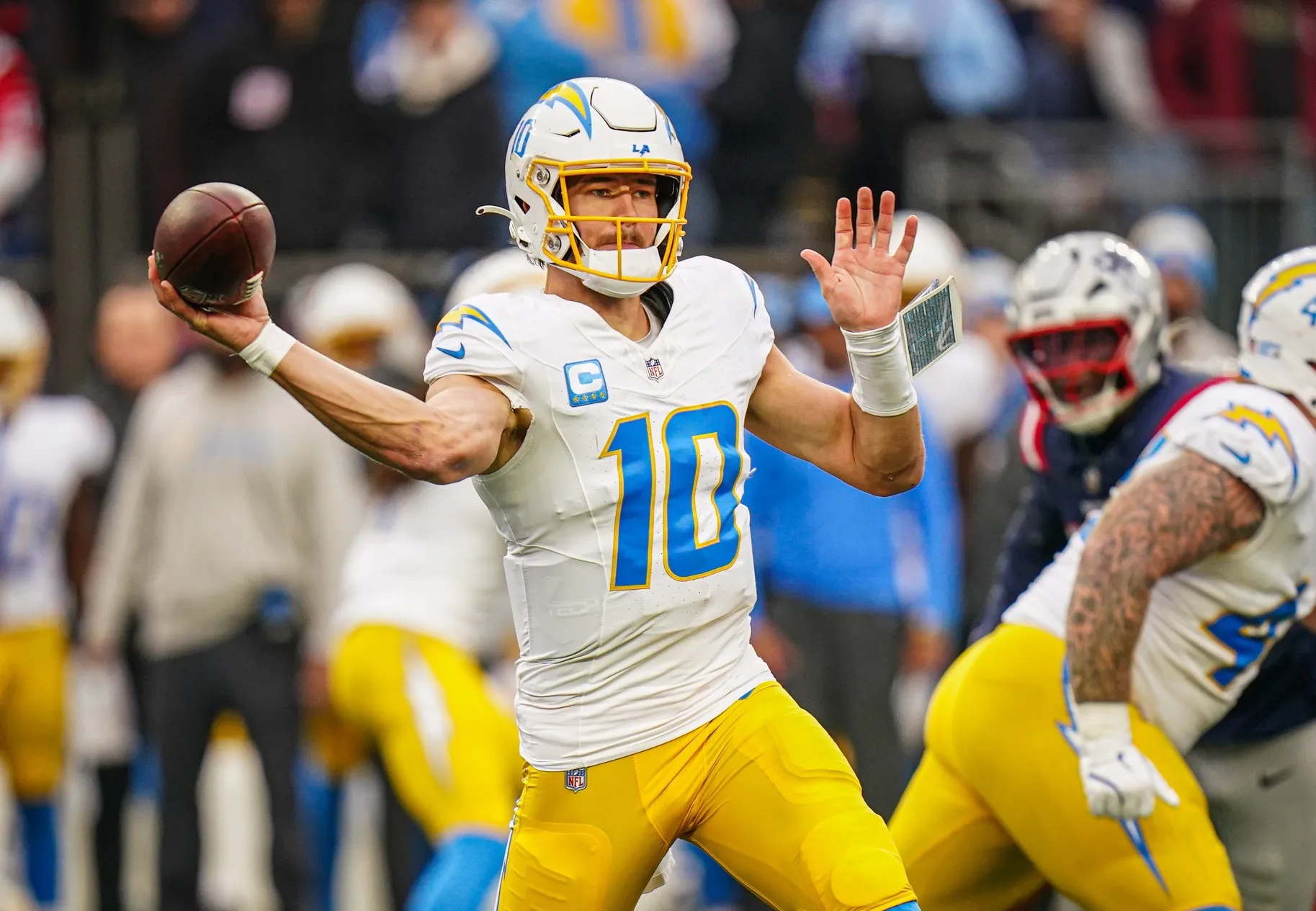
You know what’s interesting? When people search for Texans vs Chargers match player stats, they’re usually not just looking for numbers. They’re looking for meaning. We’ve all been there—watching a game, checking the box score, and thinking, “Okay, but what actually happened out there?” Stats don’t live in isolation. They breathe. They shift momentum. They tell stories of breakout moments, quiet consistency, missed opportunities, and sometimes unexpected heroes.
The Texans vs Chargers matchup is one of those games where player stats matter deeply because both teams rely heavily on execution, timing, and individual performances rather than just brute force. So in this article, we’re going to unpack those stats like a real football fan would—slowly, thoughtfully, and with context. Trust me, by the end, you won’t just remember the numbers; you’ll understand what they meant.
Setting the Scene: Texans vs Chargers as a Matchup
Before diving into player stats, it helps to Texans vs Chargers Match Player Stats understand the style clash between these two teams. The Houston Texans often come into games emphasizing young energy, adaptability, and emerging talent. The Los Angeles Chargers, on the other hand, are known for structured offense, explosive passing moments, and defensive playmakers who can change the game in a single snap.
So when these two teams meet, the stats naturally spread across multiple players rather than being dominated by just one superstar. And honestly, that’s what makes the Texans vs Chargers match player stats so fascinating—no single number tells the whole story.
Quarterback Performance: The Heartbeat of the Game
Texans Quarterback Impact
The Texans quarterback performance usually reflects growth, composure, and decision-making under pressure. In this matchup, the stat line tells a story of controlled aggression—passing attempts balanced with smart reads and an understanding of when to take risks and when to protect the ball.
Completion percentage matters here, but so does timing. Short and intermediate throws kept drives alive, while selective deep attempts stretched the Chargers’ defense. And while raw passing yards are important, what really stands out is how efficiently those yards were earned.
You’ll notice fewer reckless throws and more situational awareness, which doesn’t always jump off the stat sheet but shows up clearly when you analyze third-down conversions and red-zone efficiency.
Chargers Quarterback Performance
Now let’s talk Chargers. Their quarterback stats usually look impressive at first glance—and this game was no exception. Strong passing volume, confident pocket presence, and a willingness to push the ball downfield defined the performance.
But here’s the thing: big numbers don’t always equal control. While the Chargers quarterback generated impressive yardage and key completions, pressure moments slightly altered rhythm. You can see this in the timing of throws, throw-away decisions, and how drives stalled just when momentum seemed to be building.
And honestly, that tension is exactly why this matchup was so compelling.
Running Game Stats: The Unsung Foundation
Texans Rushing Performance
The Texans rushing stats might not dominate headlines, but they quietly shaped the game. Consistent carries, modest gains, and patience between the tackles helped stabilize the offense. And you know what’s interesting? Even when runs don’t produce huge yardage, they still influence defensive behavior—and that’s reflected in play-action success.
The Texans running backs showed discipline, protecting the football and grinding out tough yards. These stats matter because they reduce pressure on the quarterback and wear down defenders over time.
Chargers Rushing Performance
For the Chargers, the rushing stats tell a slightly different story. Explosive potential was there, but consistency came and went. A few strong runs boosted averages, but gaps closed quickly due to defensive adjustments.
Still, rushing attempts played a strategic role. Even limited success forced the Texans defense to stay honest, opening up passing lanes later in the game. And that balance—whether fully successful or not—shows up clearly in drive charts and time-of-possession metrics.
Wide Receivers and Tight Ends: Where Stats Become Moments
Texans Receiving Stats
Texans receivers delivered a mix of reliability and surprise. Target distribution shows trust spread across multiple players rather than one dominant option. And honestly, that’s a sign of a healthy offense.
Reception totals may look modest individually, but combined they tell a story of teamwork. Slot receivers moved chains. Outside receivers stretched coverage. Tight ends provided safety-valve completions when pressure increased.
And those clutch catches? They don’t always inflate yardage totals, but they absolutely define games.
Chargers Receiving Stats
Chargers receivers brought flash and fire. Higher yardage totals, deeper routes, and explosive gains defined their stat lines. But what stands out most is timing—big plays often came at crucial moments.
You’ll notice how receiving stats spike during comeback attempts or momentum swings. That’s where Chargers receivers truly shine. Even when drives ended without points, the threat remained constant.
Defensive Player Stats: The Hidden Battle
Texans Defensive Stats
Texans defenders made their presence felt through pressure, discipline, and awareness. Sack numbers might not tell the full story, but quarterback hits, hurried throws, and contested catches absolutely do.
Linebackers played key roles in limiting yards after catch, while defensive backs focused on positioning rather than risky interceptions. And that restraint? It matters. Defensive stats aren’t just about takeaways—they’re about forcing mistakes.
Chargers Defensive Stats
Chargers defensive stats highlight aggression. Pressure packages, pass breakups, and pursuit angles all contributed to limiting explosive plays. Even when yards were allowed, defenders responded quickly.
What’s impressive is how Chargers defenders adjusted mid-game. You’ll see this reflected in second-half efficiency stats and reduced red-zone success for the Texans.
Turnovers, Penalties, and Discipline Stats
Now let’s be real—this is where games swing.
Turnover stats in Texans vs Chargers matchups often define outcomes more than total yardage. Protecting the football, forcing fumbles, and avoiding interceptions directly impact momentum.
Penalty stats also matter. Discipline keeps drives alive or kills them. In this game, you can see how penalties extended possessions or forced punts at critical moments. These numbers might feel boring, but trust me—they’re emotional game-changers.
Special Teams Stats: The Quiet Difference
Special teams don’t get enough love, but field position stats tell a powerful story. Kick returns, punt coverage, and field goal efficiency shaped this matchup more than most fans realize.
A long return here. A pin-deep punt there. These moments shift pressure subtly—and stats capture that beautifully.
Comparing Key Player Stats Side by Side
When you compare Texans vs Chargers match player stats, patterns emerge:
- Texans leaned toward balance and control
- Chargers leaned toward explosiveness and aggression
- Texans emphasized consistency
- Chargers emphasized momentum swings
Neither approach is “better”—they’re just different philosophies reflected through numbers.
What These Stats Mean Going Forward

Stats don’t exist just to summarize the past. They predict the future.
For the Texans, these player stats suggest growth, confidence, and a foundation that’s still developing. For the Chargers, they highlight potential that’s already there but still needs refinement.
And honestly, that’s exciting.
Conclusion: More Than Just Numbers on a Page
At the end of the day, Texans vs Chargers match player stats are about more than spreadsheets and box scores. They’re about effort, decisions, execution, and moments that change how fans remember a game.
So next time you look at stats, don’t just scan them. Feel them. Read between the lines. That’s where football truly lives.
FAQs
Where can I find Texans vs Chargers match player stats?
You can find them on official NFL platforms, sports analytics sites, and post-game summaries.
Why do player stats matter so much?
Stats help explain performance, momentum, and decision-making beyond just the final score.
Who usually dominates Texans vs Chargers games statistically?
It varies, but Chargers often lead in explosive passing stats while Texans focus on balance.
Do stats always reflect who played better?
Not always. Context, timing, and situational performance matter just as much as raw numbers.
