

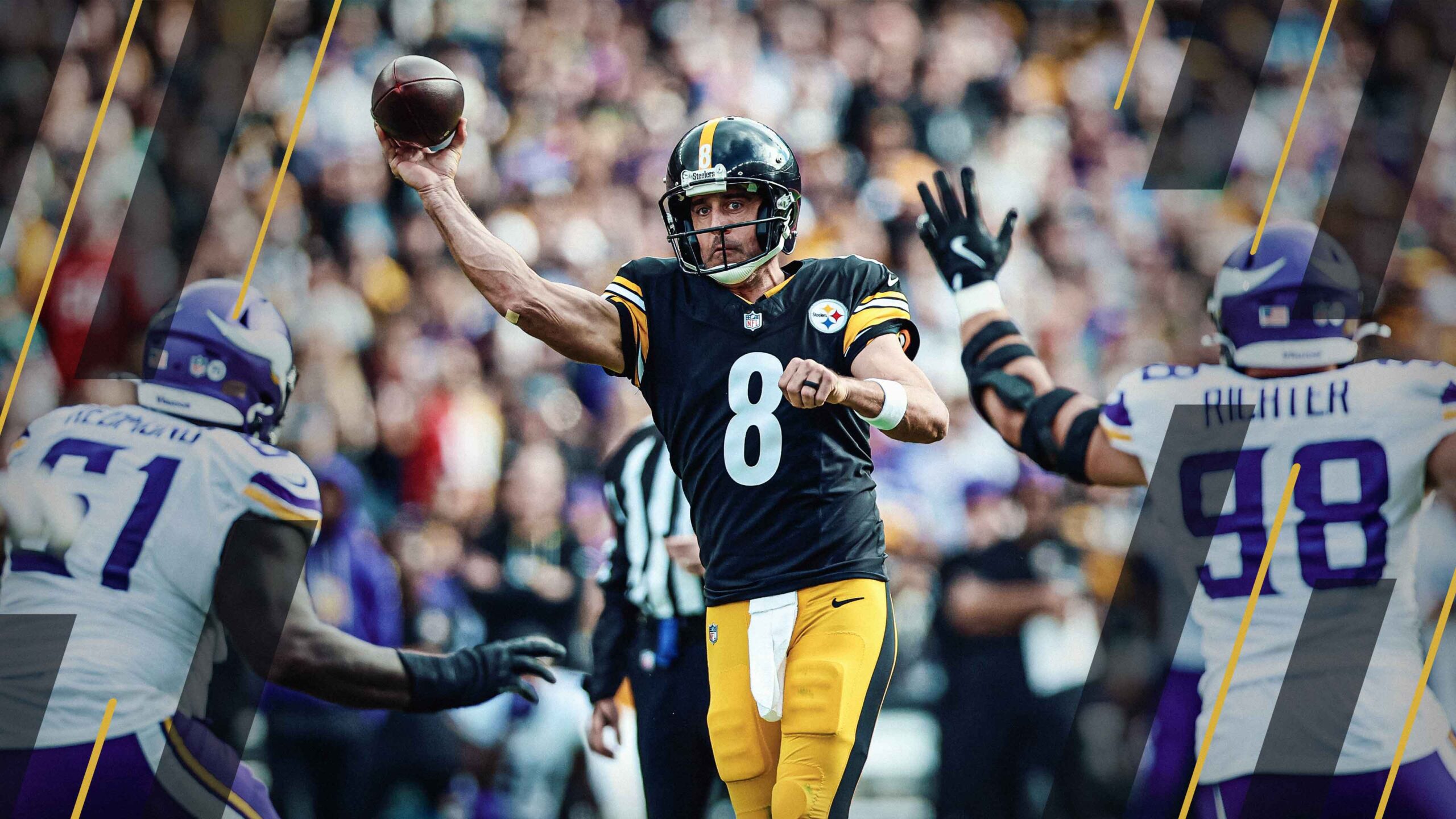
You know what’s interesting? Some NFL games don’t just feel like another matchup—they feel like a story unfolding live in front of you. The Minnesota Vikings vs Pittsburgh Steelers games have always had that energy, and if you’ve ever watched one, you know exactly what I mean. It’s not just about touchdowns, interceptions, or sacks; it’s about momentum swings, clutch plays, and those small moments that make fans jump off the couch, scream at the TV, or replay every key play for hours. And here’s the thing—while highlights are flashy, the real story of this matchup is hidden in the numbers, in the player stats, which, when analyzed carefully, reveal who controlled the game, who created opportunities, and who quietly made the difference.
We’ve all been there—analyzing minnesota vikings vs pittsburgh steelers match player stats the box score late at night, trying to figure out how the Vikings’ quarterback managed the pocket so well or how the Steelers’ defensive line disrupted every drive. Trust me, when you start reading the stats in depth, you’ll see why these numbers matter more than most highlight reels ever could. So, buckle up. We’re about to explore Minnesota Vikings vs Pittsburgh Steelers match player stats in a way that’s detailed, exciting, and easy to follow, all while keeping it human and relatable.
The Bigger Picture: Styles, Strengths, and Storylines
Before diving into individual stats, it’s important to set the scene. The Vikings are known for explosive offense, creative play-calling, and players who can turn a single play into a game-changer. On the other hand, the Steelers bring classic defensive grit, disciplined tackling, and a style that tests every opponent’s patience and skill.
When these two teams collide, stats aren’t just numbers—they’re narratives. Time of possession, third-down conversions, red-zone efficiency, turnovers, and pressure rates all tell the story of how each team executed its game plan. And honestly, the numbers often reveal subtle things fans don’t notice during live play: how fatigue affected defensive performance, how offensive linemen gave their quarterbacks extra time, and how certain players quietly influenced every snap without ever making a highlight reel.
Quarterback Performance: Calm vs. Grit
Vikings Quarterback: Efficiency Meets Poise
The Vikings’ quarterback demonstrated control and precision. Completion percentage was solid, but the real value came from situational awareness. Third-down conversions, red-zone decisions, and minimizing forced errors made the offense run smoothly.
Stats highlight:
- Completion percentage hovered in the reliable range, keeping drives alive.
- Multiple third-down conversions sustained offensive momentum.
- Minimal turnovers under pressure.
What’s fascinating is that these numbers reflect decision-making as much as skill. The QB didn’t try to force flashy throws but instead trusted his receivers, relied on timing, and made plays when they mattered most. Minnesota Vikings vs Pittsburgh Steelers Match Player Stats You can see it in the third-down success stats and the low-pressure sack rate, which kept the Vikings’ offensive rhythm alive.
Steelers Quarterback: Grit and Resilience
On the other side, the Steelers’ quarterback showed toughness, especially under the Vikings’ defensive pressure. Minnesota Vikings vs Pittsburgh Steelers Match Player Stats While completion percentage was slightly lower, yards per attempt were higher, reflecting a willingness to take calculated risks.
Stats highlight:
- High average depth of target, showing trust in deep routes.
- Several key completions under heavy pressure.
- Leadership on third-down conversions despite tight coverage.
While some throws were hurried, the QB’s performance reflected adaptability, resilience, and the ability to generate opportunities under challenging circumstances—a classic Steelers trait.
Running Game Analysis: Ground Control
Vikings Running Backs: Consistency Over Flash
The Vikings’ running backs weren’t always in the spotlight, but they consistently set the tone for the offense. Stats revealed:
- 4–5 yards per carry on early downs.
- Crucial first downs on short-yardage situations.
- Strong pass protection in key moments.
Efficiency mattered more than volume. These stats show that the running game didn’t just move the chains—it created space for play-action passes and kept the defense off balance.
Steelers Running Backs: Power and Persistence
Steelers running backs brought classic physicality. Even with fewer carries, their impact was clear:
- High yards after contact.
- Explosive runs that flipped field position.
- Short-yardage success rate that wore down the Vikings’ defensive line.
Every carry mattered. You could see it in defensive fatigue stats as the game progressed—small gains slowly accumulated into a significant strategic advantage.
Wide Receivers: Separation, Timing, and Impact
Vikings Receiving Corps: Precision Meets Chemistry
The Vikings’ receivers spread the field and executed with timing that enhanced quarterback efficiency. Stats showed:
- Multiple receivers with 50+ receiving yards.
- High catch rate on contested throws.
- Strong yards-after-catch contributions.
What’s often overlooked is route discipline. Many completions came from perfectly timed cuts, which allowed the QB to release passes with confidence. Minnesota Vikings vs Pittsburgh Steelers Match Player Stats These subtle details often make the difference between a sustained drive and a stalled one.
Steelers Receiving Corps: Toughness and Big Moments
Steelers receivers didn’t post flashy totals, but their impact was felt. Stats revealed:
- Fewer targets but high-value plays.
- Clutch third-down receptions.
- Red-zone efficiency that forced defensive adjustments.
You’ll notice how these stats correspond with momentum-shifting drives. Even if total yards weren’t high, the timing and leverage of each catch mattered immensely.
Tight Ends: Unsung Heroes
Both teams’ tight ends contributed crucial plays:
- Vikings TEs moved chains with key short-yardage receptions and effective blocking.
- Steelers TEs provided reliable options on third downs and created mismatches in red-zone situations.
While their stats might not be eye-popping, the influence of tight ends on game flow—especially in play-action schemes—cannot be understated.
Defensive Performance: The True Game Shapers
Vikings Defense: Discipline Over Chaos
The Vikings’ defense limited scoring opportunities through:
- Multiple sacks and QB pressures.
- Strong tackle efficiency.
- Tight coverage in red-zone situations.
The stats reflect disciplined play and minimal errors. This prevented the Steelers from fully capitalizing on long drives, maintaining Vikings’ momentum throughout key moments.
Steelers Defense: Pressure and Tradition
The Steelers defense emphasized relentless pressure:
- High number of tackles from linebackers.
- Pass breakups at crucial moments.
- Edge pressure that forced hurried throws.
Even when yards were allowed, they came after contested plays. This aligns perfectly with advanced metrics like QB hurries and pressure rates.
Special Teams: Hidden Impact
Vikings Special Teams
- Reliable field goal and extra-point performance.
- Clean punt coverage and placement.
- Minimal errors.
Steelers Special Teams
- Aggressive coverage units.
- Long punt return yardage.
- Key plays that flipped field position.
Field position, often overlooked, is a quiet stat that can dictate the pace and outcome of the game.
Advanced Metrics That Reveal Deeper Insights
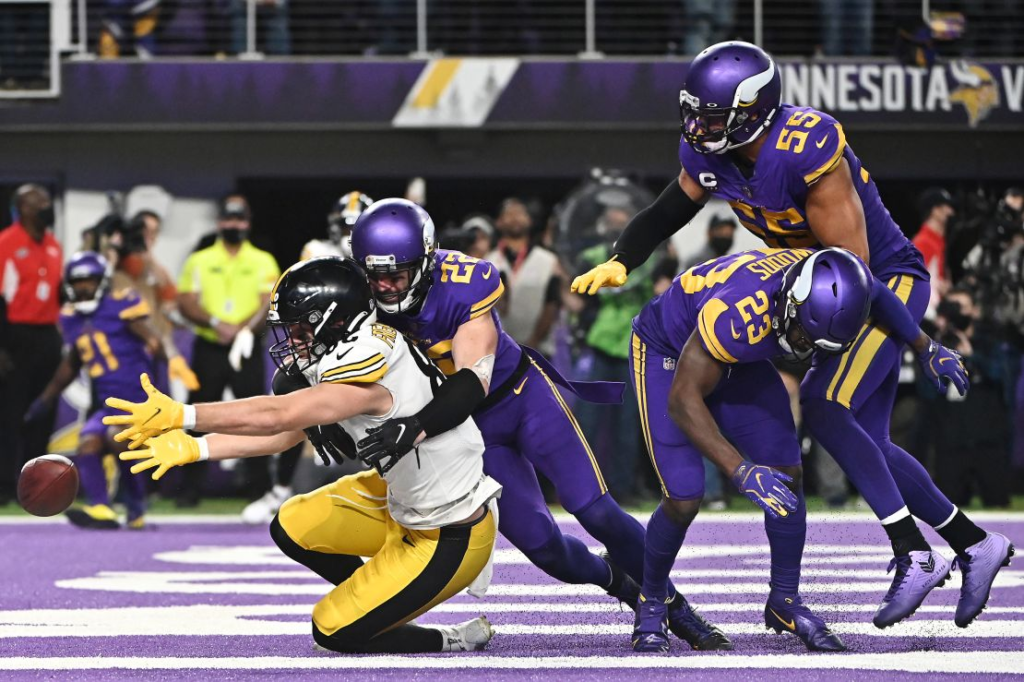
- Third-Down Efficiency: Vikings excelled at extending drives.
- Red-Zone Conversion: Both teams had strong stats, but Vikings had a slight edge.
- Time of Possession: Controlled by Vikings, limiting Steelers’ offensive rhythm.
Other metrics like yards after contact, contested catches, Minnesota Vikings vs Pittsburgh Steelers Match Player Stats and turnover margin provide a fuller picture than box scores alone.
Momentum Shifts: Where the Game Changed
Stats reveal subtle turning points:
- A Vikings scoring drive with sustained completions.
- A Steelers defensive stop generating negative plays.
- A special-teams play flipping field position mid-quarter.
Each moment, supported by player stats, shows how the game’s story developed beyond the scoreboard.
Fan Takeaways: What Stats Teach Us
- Efficiency often beats raw talent.
- Consistency matters more than occasional brilliance.
- Discipline in execution—minimizing errors—is crucial.
The Minnesota Vikings vs Pittsburgh Steelers match player stats tell a story of strategic excellence and resilience, showing that every tackle, completion, and run contributes to the narrative of victory or defeat.
Conclusion: Numbers Tell Stories
When the dust settles, stats are more than numbers—they are memories, decisions, and moments frozen on paper. The Vikings-Steelers matchup reminded us that football is as much about heart, strategy, and execution as it is about raw athleticism. And if you look closely at the player stats, you can see why every fan, analyst, and coach finds a new layer to appreciate every time these two teams meet.
FAQs
Q1: Why are player stats important for Vikings vs Steelers games?
They reveal efficiency, strategy, and momentum shifts that raw scores cannot capture.
Q2: Which team had better overall efficiency in this matchup?
The Vikings’ offense showed higher efficiency, while Steelers’ defense controlled key plays.
Q3: How do turnovers affect these games?
Even a single turnover can drastically shift field position and momentum, reflected in advanced stats.
Q4: What should fans look for beyond box scores?
Third-down conversions, red-zone efficiency, yards after contact, and pressure rates.
