

We’ve all been there—you’re watching an award show, sipping your drink, laughing at a joke, and suddenly, everything changes in a heartbeat. That’s exactly what happened during the infamous Oscars night when Will Smith and Chris Rock became the talk of the world.
What was supposed to be a night celebrating cinematic excellence quickly turned into a moment that no one could stop talking about. People were shocked, memes flooded the internet, and debates raged across social media platforms for months. Actually, it’s one of those events where even casual TV watchers found themselves involved in the conversation, wondering: “What exactly happened between Will Smith and Chris Rock?”
To be honest, this wasn’t just a simple celebrity squabble—it was a convergence of humor, tension, and very human emotions that got played out on one of the biggest stages in the world. And if you’ve been curious, or maybe even caught yourself debating the scenario with friends, this article dives deep into everything about the Will Smith and Chris Rock incident, the background, reactions, and its long-lasting impact on Hollywood and pop culture.
The Background: Two Giants in Their Own Worlds
Will Smith: Hollywood’s Leading Man
Before the incident, Will Smith was widely celebrated as a multi-talented actor, producer, and musician. He’s known for movies like Men in Black, The Pursuit of Happyness, and King Richard, which had just earned him major accolades.
But beyond his professional success, Will Smith is known for his warm personality, relatability, and charisma. We’ve all seen him in interviews where he laughs, jokes, and shares stories that make him feel accessible. So when news broke of the Oscars altercation, fans were genuinely shocked. Many struggled to reconcile the image of the affable “Fresh Prince” with the person who walked onto a stage and made headlines in such an unexpected way.
Chris Rock: Comedy’s Sharpest Tongue
Then there’s Chris Rock, one of the most respected comedians of our time. He has a unique ability to dissect social issues with humor, blending wit and critique in a way that’s often both hilarious and thought-provoking. Over the years, Chris Rock became a staple in award shows as a host, a performer, and a master of the roast.
It’s actually this edge—this fearless approach to comedy—that arguably set the stage for the moment with Will Smith. Chris Rock has never shied away from poking fun at celebrities, their fashion choices, or personal matters. And during that fateful Oscars night, the joke he made—intended to be playful, or maybe satirical—hit a nerve that would spiral into something no one expected.
The Night of the Oscars: The Incident Unfolds
The Joke That Sparked a Global Conversation
It all started innocently enough. Chris Rock was on stage, delivering his routine, and made a joke referencing Jada Pinkett Smith’s shaved head. For context, Jada had previously shared her struggle with alopecia, which causes hair loss. The joke, while meant in comedic spirit, immediately sparked tension.
And here’s the thing—what makes humor tricky is that timing, context, and personal history all matter. In that split second, Will Smith’s reaction went viral.
The Stage Moment
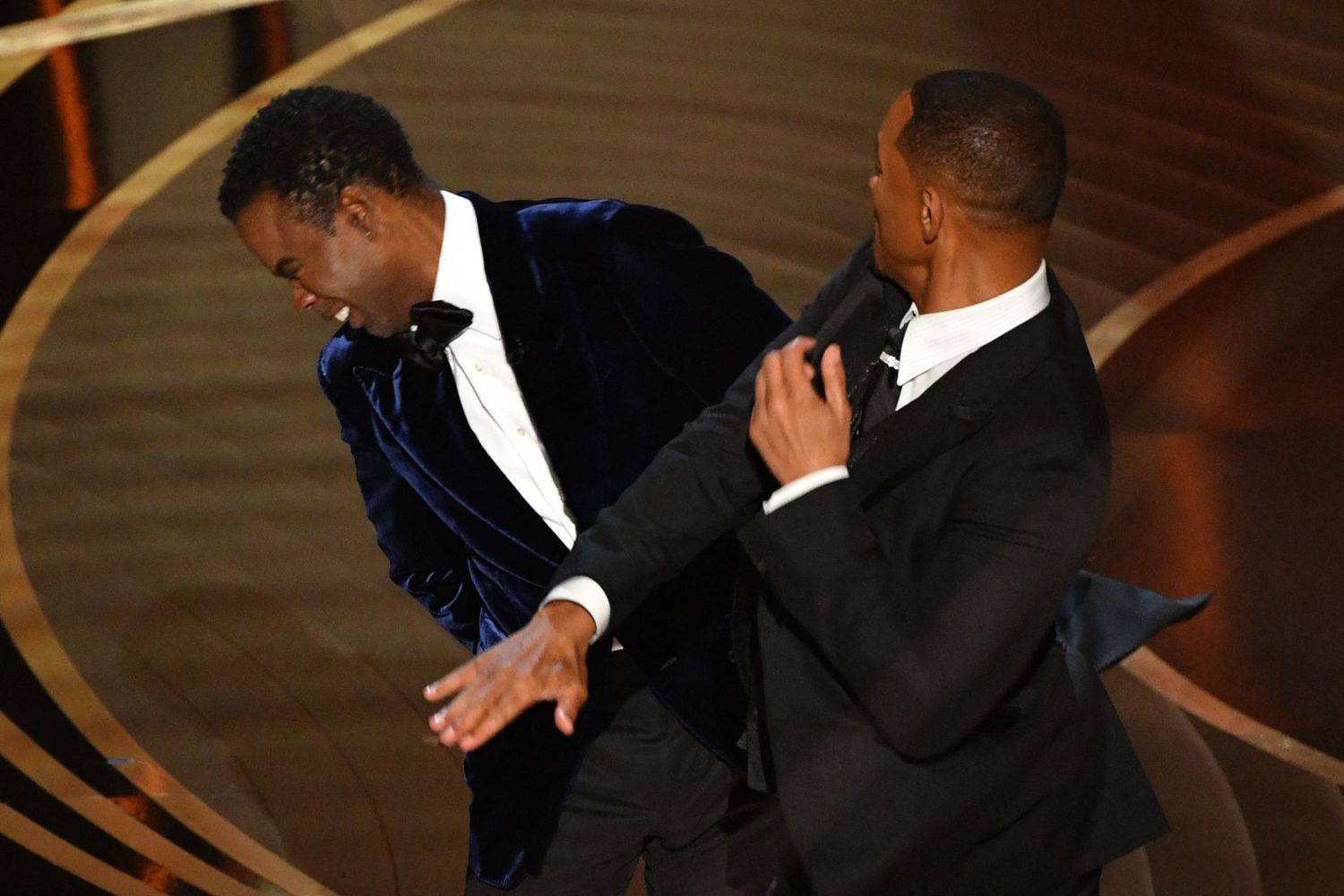
Millions watched as Will Smith walked onto the stage and slapped Chris Rock in front of a global audience. It was shocking, fast, and impossible to ignore.
You could feel the tension. The audience gasped. Social media exploded. And while the cameras initially captured stunned faces, the world would spend months dissecting the emotional and cultural implications of that one action.
Trust me, you’ll see why this incident became more than a celebrity scandal—it became a talking point about humor, respect, boundaries, and human reactions in the digital age.
Public Reaction: Social Media, Memes, and Outrage
How the Internet Responded
Within minutes, clips of the slap were everywhere. Memes flooded Twitter, Instagram, and TikTok. Some people defended Will Smith, saying anyone in his position would react similarly when a loved one is involved. Others criticized him, arguing that public violence, no matter the provocation, wasn’t acceptable.
And that’s what’s interesting—this incident showed the world how divided opinions can be. It wasn’t just about celebrities; it became a reflection of societal debates about humor, respect, and boundaries.
The Press and Headlines
Major news outlets ran non-stop coverage. Editorials analyzed motives, predictions, and even psychological profiles. Pundits discussed the broader implications for Hollywood’s culture and the Oscars’ reputation.
So, the event quickly evolved from a moment on stage into a global conversation about morality, comedy, and accountability.
Behind the Emotions: Understanding Will Smith’s Reaction
Love and Protection
Some argued that Will Smith’s reaction was rooted in love for his wife. People often underestimate the instinctive, protective response we have when someone we care about is publicly embarrassed or hurt.
To be honest, when you think about it, anyone who’s watched a loved one face ridicule would understand a surge of protective emotion. The Oscars stage just amplified it for the world to see.
Pressure and Public Scrutiny
Being in the public eye constantly adds pressure. Fame can magnify reactions and reduce the margin for error. Will Smith had been recognized, praised, and scrutinized in equal measure for decades. That singular moment revealed a very human vulnerability—one that millions resonated with, consciously or not.
Chris Rock’s Perspective: Comedy, Timing, and Responsibility
The Role of a Comedian
Chris Rock has built a career on pushing boundaries. Will Smith and Chris Rock Humor, especially satire, is designed to provoke reactions. While some critics argued his joke was insensitive, others felt that comedians inevitably risk offending someone.
Actually, the tension between comedy and sensitivity is age-old. Chris Rock’s joke simply collided with personal emotion at a very public moment.
Handling the Aftermath
Despite the shock, Chris Rock handled the aftermath with professionalism. He returned to work, delivered performances, and spoke carefully about the event in interviews, maintaining his career momentum.
It’s a testament to his resilience and ability to navigate a delicate situation that could have derailed any entertainer’s trajectory.
Hollywood’s Response: Awards, PR, and Cultural Debate
The Oscars Committee
The Academy released statements condemning violence and emphasizing safety and professionalism. Will Smith and Chris Rock They also opened discussions about future protocols, ensuring that no other live broadcast faced a similar crisis.
Celebrities Weigh In
Actors, comedians, and influencers had mixed reactions. Some praised Will Smith’s love for his wife; others condemned public aggression. You know what’s interesting? Even Hollywood’s elite seemed divided, reflecting the complexity of human emotion and social norms.
Psychological Analysis: Why People React Instinctively
Fight-or-Flight in Action
At its core, Will Smith’s reaction was a classic fight-or-flight response. When people perceive a threat to themselves or loved ones, instinct can override reasoning.
Psychologists highlighted that the Oscars moment was a human reaction amplified by fame and stress—something almost anyone could relate to, albeit not on a global stage.
Public Scrutiny Magnifies Everything
When reactions are televised worldwide, judgment, praise, and criticism all come at once. For celebrities, these moments can define public perception for years. That pressure intensifies human emotion in ways most of us can only imagine.
Lessons from the Incident: Humor, Respect, and Emotional Intelligence
Humor and Boundaries
One takeaway is the delicate balance between comedy and sensitivity. Comedians navigate subjective boundaries every day, and audiences react differently based on personal context.
It reminds us all that words, even jokes, carry weight, and empathy goes a long way.
Emotional Regulation
Will Smith’s reaction teaches another lesson: human emotions are complex, and controlling instinctive responses in high-pressure situations is challenging. Conflict resolution, reflection, and accountability are critical tools we all can apply in daily life.
Cultural Impact: Beyond the Oscars
Memes, Movies, and Social Commentary
The incident seeped into pop culture rapidly. Memes, parodies, and skits referenced the moment for months. It became a shorthand for public embarrassment, overreaction, or intense defense of loved ones.
And that’s interesting because it shows how a single action can ripple across media and entertainment, influencing storytelling, humor, and audience expectations.
Conversations About Fame and Responsibility
More importantly, it sparked conversations about fame’s responsibilities. Celebrities, like all humans, have boundaries—but the public stage magnifies them. Debates about accountability, freedom of speech, and societal norms became central to the discourse.
Long-Term Effects on Will Smith and Chris Rock
Will Smith’s Career
Following the incident, Will Smith faced criticism, industry penalties, and temporary ostracization from certain circles. But his talent, previous accomplishments, and public apologies helped maintain his career momentum.
It’s a lesson in resilience, reputation management, and how accountability can coexist with personal growth.
Chris Rock’s Career
Chris Rock emerged largely unscathed professionally. His ability to navigate controversy and maintain humor without escalating conflict demonstrated the power of composure, timing, and professionalism.
Comparing Perspectives: Public vs. Private Reactions
Social Media Vs. Personal Reflection
On social media, reactions are immediate, loud, and often polarized. Privately, however, both Will Smith and Chris Rock likely spent significant time processing the incident.
It reminds us that public perception is just one layer, while personal growth and understanding are ongoing processes.
Lessons for Everyday Life
We can all learn from this:
- Words carry weight
- Emotions can be unpredictable
- Accountability matters
- Humor should respect context
Even if we’re not celebrities, these lessons apply daily.
The Human Side of Celebrity Conflicts
Beyond the Headlines
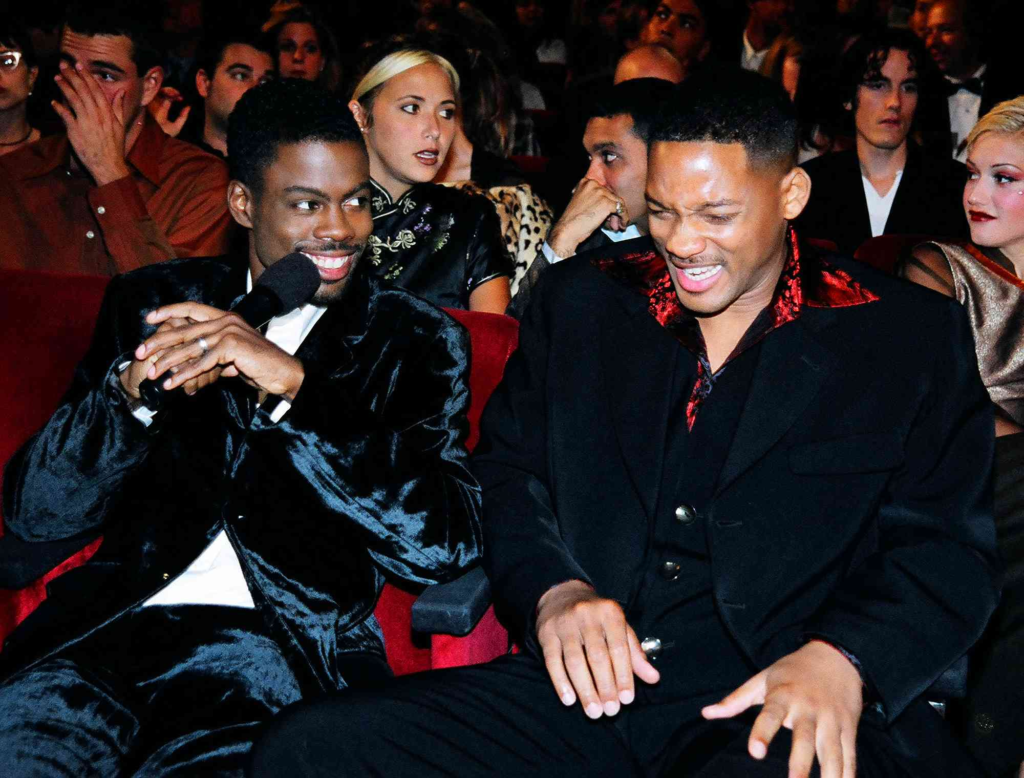
When we strip away the media frenzy, this was a human moment: Will Smith two people, emotions, a joke, and a split-second reaction.
And that’s why so many related—it wasn’t just about fame; it was about us, our reactions, and how we manage unexpected conflict.
Empathy and Understanding
We often judge publicly, but empathy helps bridge understanding. Will Smith and Chris Rock’s story invites reflection, not just judgment.
Conclusion: Reflection on the Will Smith Chris Rock Moment
The Will Smith Chris Rock incident wasn’t merely a headline—it was a complex, emotional, and human story played out in real time.
It reminds us that fame amplifies emotion, humor requires context, and empathy is always essential. While debates and memes continue, the real takeaway is understanding human reaction, boundaries, and accountability.
So the next time you witness a public conflict—celebrity or not—remember: there’s always more than what meets the eye.
FAQs About Will Smith and Chris Rock
Q1: What happened between Will Smith and Chris Rock?
During the Oscars, Chris Rock made a joke about Jada Pinkett Smith, prompting Will Smith to walk on stage and slap him. The moment went viral and sparked global debate.
Q2: Did Will Smith apologize for his actions?
Yes, Will Smith issued public apologies, including on social media and in interviews, acknowledging that his actions were unacceptable.
Q3: How did Chris Rock respond?
Chris Rock maintained professionalism, continuing his comedy career while addressing the incident carefully in interviews and performances.
Q4: What was the public reaction to the incident?
Opinions were divided. Some defended Will Smith’s protective instincts; others criticized him for using violence. The moment became a major cultural conversation.
