

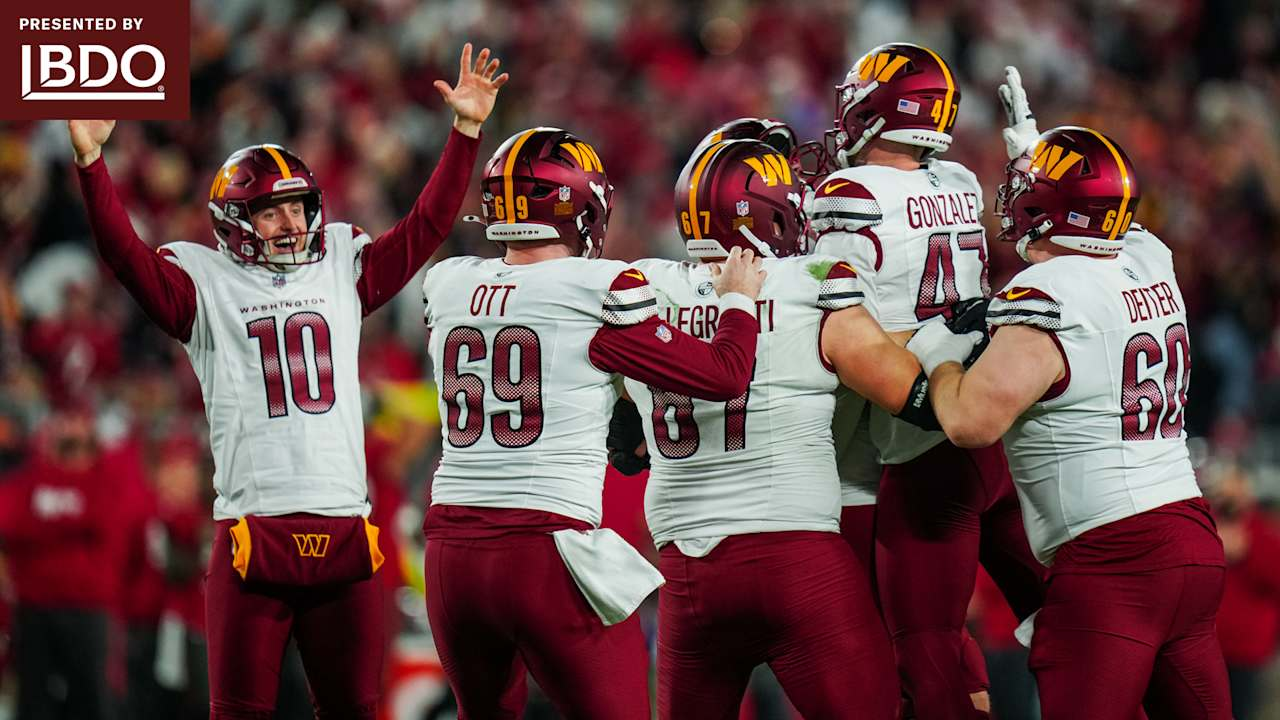
You know what’s interesting? Some NFL games don’t need hype to matter—you can feel their weight the moment the ball is kicked off. The matchup between the Washington Commanders and the Tampa Bay Buccaneers is one of those games where the stats don’t just sit on a page; they tell a story. And honestly, we’ve all watched games like this, where every drive feels like a test, every third down feels personal, and every stat line reflects a moment of pressure, confidence, or missed opportunity.
When fans search for Washington Commanders vs Tampa Bay Buccaneers match player stats, they’re not just looking for numbers. They’re trying to understand why the game unfolded the way it did. Who stepped up? Who struggled? And which performances quietly shaped the outcome even if they didn’t dominate headlines? Let’s break it all down in a way that actually feels human.
Setting the Stage: Two Teams, Two Different Journeys
Before diving into player stats, context matters. The Washington Commanders came into the matchup trying to prove consistency, grit, and growth. This is a team that has leaned on defense, situational football, and flashes of offensive creativity. They’re often underestimated, and honestly, that chip on the shoulder shows up in how they play.
On the other side, the Tampa Bay Buccaneers brought experience, confidence, and a more established offensive identity. Even in transition seasons, Tampa Bay has carried itself like a team that expects to compete. And when you mix expectation with pressure, player stats suddenly become emotional markers—not just measurements.
Quarterback Comparison: Decision-Making Under Fire
Washington Commanders Quarterback Performance
The Commanders’ quarterback performance told a story of composure mixed with urgency. Passing stats showed solid completion numbers, especially on short to intermediate throws, which reflected a game plan focused on controlling tempo rather than chasing explosive plays too early. The quarterback spread the ball around, avoided reckless decisions for most of the game, and used mobility when the pocket collapsed.
But here’s the thing—stats don’t show hesitation. There were moments when receivers were open, but pressure forced quicker decisions. That shows up subtly in yards per attempt and red-zone efficiency. Still, the Commanders’ quarterback stats reflected resilience more than dominance.
Tampa Bay Buccaneers Quarterback Performance
The Buccaneers’ quarterback stats leaned more aggressive. Higher passing attempts, deeper throws, and stronger pocket confidence defined Tampa Bay’s offensive rhythm. Completion percentage may not tell the full story, because some throws were intentionally high-risk, high-reward plays designed to stretch the defense.
And trust me, you could feel that confidence. Even incompletions served a purpose—forcing Washington’s secondary to respect the deep ball and opening space underneath.
Running Game Breakdown: Where the Game Slowed Down
Commanders Rushing Stats
Washington’s rushing attack didn’t explode statistically, but it mattered. Running back stats showed consistent gains rather than flashy numbers. Four yards here, five yards there—it doesn’t look impressive on paper, but it keeps a defense honest. And we’ve all seen how those quiet runs add up late in the game.
What stood out was effort after contact. Yards after contact told the real story. Commanders backs refused to go down easily, turning broken plays into manageable downs. That doesn’t always trend on social media, but coaches love it.
Buccaneers Rushing Stats
Tampa Bay’s rushing stats were more situational. washington commanders vs tampa bay buccaneers match player stats Fewer carries, but higher impact runs. The Buccaneers used the run game strategically—especially in red-zone situations and late-game clock control. When they ran, it was intentional.
And honestly, that’s veteran football. You don’t need 30 carries when 12 well-timed ones can shift momentum.
Wide Receivers and Tight Ends: Where Separation Meant Everything
Washington Commanders Receiving Stats
Washington’s receiving stats showed balance. No single receiver completely dominated, but multiple players contributed. Slot receivers thrived on short routes, while outside receivers drew coverage even when targets were limited.
The tight end stats were quietly impressive. washington commanders vs tampa bay buccaneers match player stats Reliable hands, chain-moving catches, and red-zone presence made a difference. These are the kinds of stats that don’t scream “highlight,” but they win games inch by inch.
Tampa Bay Buccaneers Receiving Stats
Tampa Bay’s receiving corps showed why spacing matters. Receiver stats reflected better yards per reception, which tells you routes were sharper and timing was cleaner. The Buccaneers exploited mismatches, especially against zone coverage, forcing Washington to adjust mid-game.
And you could feel that chess match unfolding. When one receiver was taken away, another stepped up. That’s depth, and it shows clearly in the stat sheet.
Defensive Player Stats: The Game Within the Game
Commanders Defensive Highlights
Washington’s defense showed toughness. Tackle stats were spread across the lineup, which usually means defenders were rallying to the ball. washington commanders vs tampa bay buccaneers match player stats Linebackers recorded solid tackle numbers, and defensive linemen pressured the quarterback even when sacks didn’t always come.
And here’s the thing people miss: quarterback pressures matter. Even without sacks, pressure disrupts timing. That shows up later in completion percentages and hurried throws.
Buccaneers Defensive Highlights
Tampa Bay’s defense was opportunistic. Interceptions, pass breakups, and tackles for loss defined their impact. Defensive stats reflected discipline—especially in the secondary, where coverage assignments were mostly clean.
The Buccaneers’ pass rush didn’t overwhelm, but it was efficient. When it mattered most, pressure arrived at exactly the right moment.
Special Teams Stats: The Hidden Momentum Shifters
Special teams don’t get enough love, but their stats matter more than people admit. Field goal accuracy, punt return yards, and kickoff coverage all shaped field position in this matchup.
Washington’s special teams were steady—no major mistakes, decent returns, and reliable kicking. Tampa Bay, however, had a slight edge in average starting field position, which quietly influenced play-calling.
And yeah, that stuff adds up.
Key Player Performances That Changed the Game
Some players don’t lead the stat sheet but still change everything. A third-down conversion. A crucial pass breakup. A run that keeps a drive alive.
For Washington, a defensive leader stood out with consistent tackles and communication. For Tampa Bay, a receiver’s clutch catches shifted momentum late.
These are the moments fans remember—even if the stat line looks modest.
What the Stats Really Tell Us
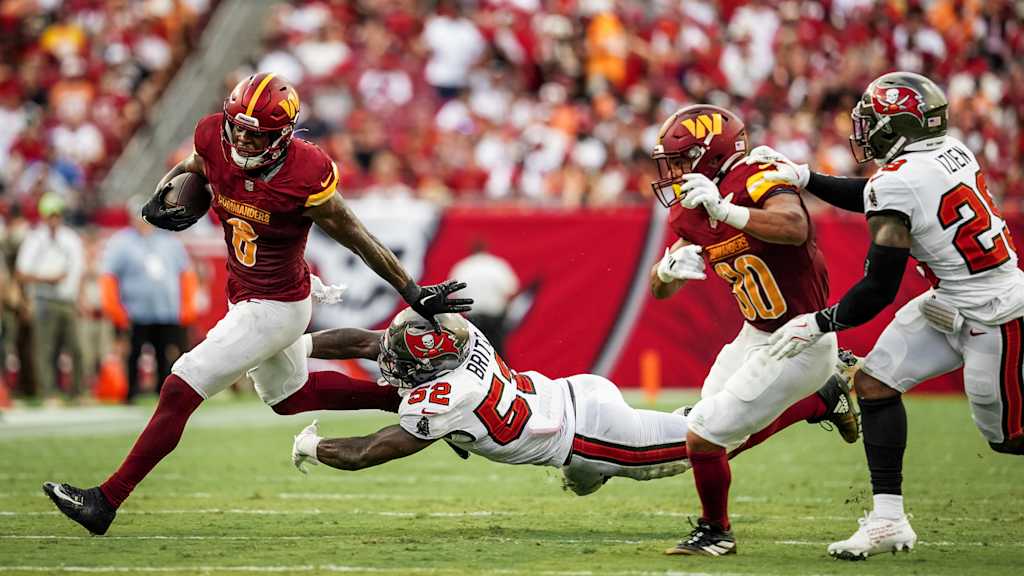
When you step back, the Washington Commanders vs Tampa Bay Buccaneers match player stats reveal a game of efficiency versus persistence. Tampa Bay leaned on experience and execution. Washington leaned on effort, adaptability, and toughness.
Neither team played perfect football. And honestly, that’s what made the game compelling.
Lessons Fans Can Take From This Matchup
- Stats reflect preparation, not just talent
- Pressure changes decision-making
- Depth often matters more than star power
- Small plays create big momentum shifts
- Discipline shows up late in games
These lessons apply whether you’re analyzing football—or life, to be honest.
Conclusion: More Than Numbers on a Screen
At the end of the day, this matchup wasn’t just about who had more yards or touchdowns. It was about execution, response, and resilience. The Washington Commanders vs Tampa Bay Buccaneers match player stats give us insight, but the real story lives between the lines—between plays, adjustments, and moments of pressure.
And if you watched the game, you know exactly what I mean.
FAQs
Where can I find Washington Commanders vs Tampa Bay Buccaneers match player stats?
Official NFL platforms, team websites, and sports analytics sites provide full stat breakdowns.
Who performed best in the Commanders vs Buccaneers game?
Several players stood out on both sides, especially at quarterback, wide receiver, and linebacker positions.
Why are player stats important after a game?
Stats help fans understand performance, strategy, and why a game unfolded the way it did.
Do stats always show who played better?
Not always. Stats provide clues, but effort, timing, and situational play matter just as much.
