

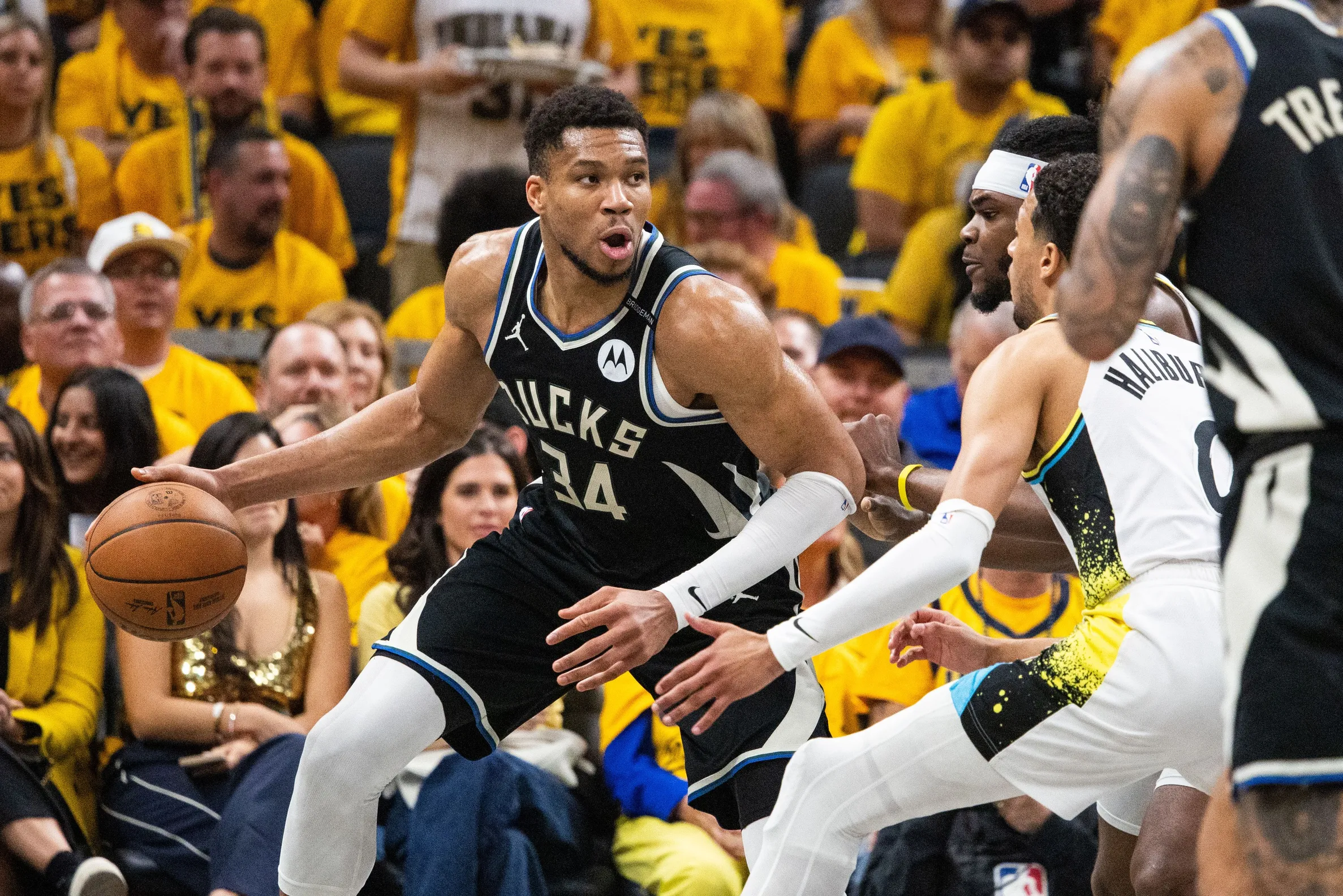
You know what’s interesting? Some NBA matchups don’t just happen on the court — they explode. The moment the Milwaukee Bucks and the Indiana Pacers face each other, the pace changes, the energy spikes, and suddenly every possession feels like it matters just a little more. We’ve all been there, watching the scoreboard, checking player stats mid-game, wondering how things shifted so quickly.
Actually, when you start digging into Milwaukee Bucks vs Pacers match player stats, you realize these games are never just about final scores. They’re about tempo versus strength, transition offense versus half-court dominance, and individual brilliance colliding with team structure. And honestly, that’s why fans keep coming back to this matchup again and again.
So let’s slow things down for a moment and really understand what these stats are telling us — not just who scored how many points, but why the numbers look the way they do.
Understanding the Bucks vs Pacers Basketball Dynamic
Before diving into individual stat lines, it’s important to understand how differently these two teams approach the game. The Milwaukee Bucks are often built around physical dominance, interior scoring, and defensive presence. The Indiana Pacers, on the other hand, thrive on speed, ball movement, and fast-paced offensive execution.
When these two styles meet, the stat sheet becomes a storybook. You’ll often see contrasting numbers — one team dominating rebounds and paint points, while the other piles up assists, transition buckets, and perimeter efficiency. And that contrast is exactly what makes Milwaukee Bucks vs Pacers match player stats so fascinating to analyze.
Star Power and Its Impact on Player Stats
Milwaukee Bucks Star Player Influence
The Bucks usually lean heavily on their star players to set the tone early. In these matchups, Bucks stars often post high usage rates, strong scoring totals, and impressive rebounding numbers. You’ll frequently notice double-digit rebounds combined with efficient scoring, especially in the paint.
What’s important here is not just the raw numbers, but where those points come from. Bucks players tend to score through physical drives, post-ups, and second-chance opportunities. And to be honest, that physicality shows up clearly in the stats — free-throw attempts, offensive rebounds, and points in the paint often favor Milwaukee.
Indiana Pacers Star Player Influence
Pacers stars, meanwhile, usually shine through efficiency and playmaking. Their stats often highlight assists, three-point shooting, and quick scoring runs. Instead of overpowering defenses, they stretch them.
When looking at Milwaukee Bucks vs Pacers match player stats, Pacers stars often have slightly lower rebound totals but higher assist counts and better transition scoring numbers. It’s not about domination — it’s about rhythm.
Guard Matchups: Where the Pace Is Set
Guard play is where this matchup truly comes alive.
Bucks Guards Performance Trends
Bucks guards often focus on controlling tempo and feeding the offense into high-percentage looks. Their stats may not always scream “flashy,” but they reflect control and decision-making. You’ll often see solid assist-to-turnover ratios, steady scoring, and strong defensive metrics like steals or contested shots.
Against a fast Pacers team, Bucks guards are tasked with slowing the game just enough to keep things manageable.
Pacers Guards Performance Trends
Pacers guards, by contrast, thrive on chaos — the good kind. Their stats frequently show high assist numbers, quick scoring bursts, and impressive shooting splits during fast breaks. And you know what? When Pacers guards get hot, the entire stat sheet tilts in their favor.
That’s why guard efficiency is such a key factor in Milwaukee Bucks vs Pacers match player stats.
Forward and Center Stats: Strength vs Spacing
Bucks Frontcourt Dominance
Milwaukee’s frontcourt often controls rebounding and rim protection in this matchup. Bucks big men regularly post strong defensive stats — blocks, defensive rebounds, and altered shots — along with efficient scoring inside.
Even when their point totals aren’t massive, their impact shows up in advanced metrics like plus-minus and opponent shooting percentages near the rim.
Pacers Frontcourt Versatility
Pacers forwards and centers usually counter with versatility. Their stats often highlight floor spacing, mid-range efficiency, and passing ability. Instead of battling purely with strength, Pacers bigs pull defenders away from the basket, opening lanes for guards.
This chess match between strength and spacing is one of the most compelling aspects of the matchup.
Bench Contribution: The Quiet Difference Maker
Here’s something casual fans often miss — bench stats.
In many Milwaukee Bucks vs Pacers match player stats breakdowns, the bench plays a huge role. Bucks bench units often focus on defense and maintaining physicality, while Pacers reserves frequently inject speed and scoring.
When one bench outperforms the other, momentum shifts fast. A quick 10-0 run by second-unit players can flip a game on its head, and suddenly the stat sheet looks very different.
Shooting Efficiency and Shot Selection
Bucks Shooting Patterns
The Bucks typically emphasize high-percentage shots. Their stats often reflect fewer attempts from inefficient areas and more looks at the rim or open threes created through inside-out play.
Field-goal percentage, free-throw attempts, and paint scoring are key metrics to watch.
Pacers Shooting Patterns
The Pacers, meanwhile, love ball movement. Their stats often show higher assist totals and three-point attempts. When those shots fall, the game opens up quickly.
And yes, when they don’t, it can swing the game just as fast.
Defensive Stats: Where Games Are Really Won
Defense doesn’t always get the spotlight, but in this matchup, it matters a lot.
- Bucks defensive stats often highlight blocks, defensive rebounds, and opponent field-goal suppression.
- Pacers defensive stats lean more toward steals, deflections, and forcing turnovers.
Both approaches work — just in different ways.
Turnovers and Transition Points
Let’s be honest — turnovers are killers here.
Pacers thrive in transition, so every Bucks turnover usually shows up as fast-break points on the stat sheet. On the flip side, when the Bucks limit turnovers, their half-court efficiency becomes overwhelming.
That’s why turnover numbers are often one of the most telling elements in Milwaukee Bucks vs Pacers match player stats.
Advanced Stats That Add More Meaning
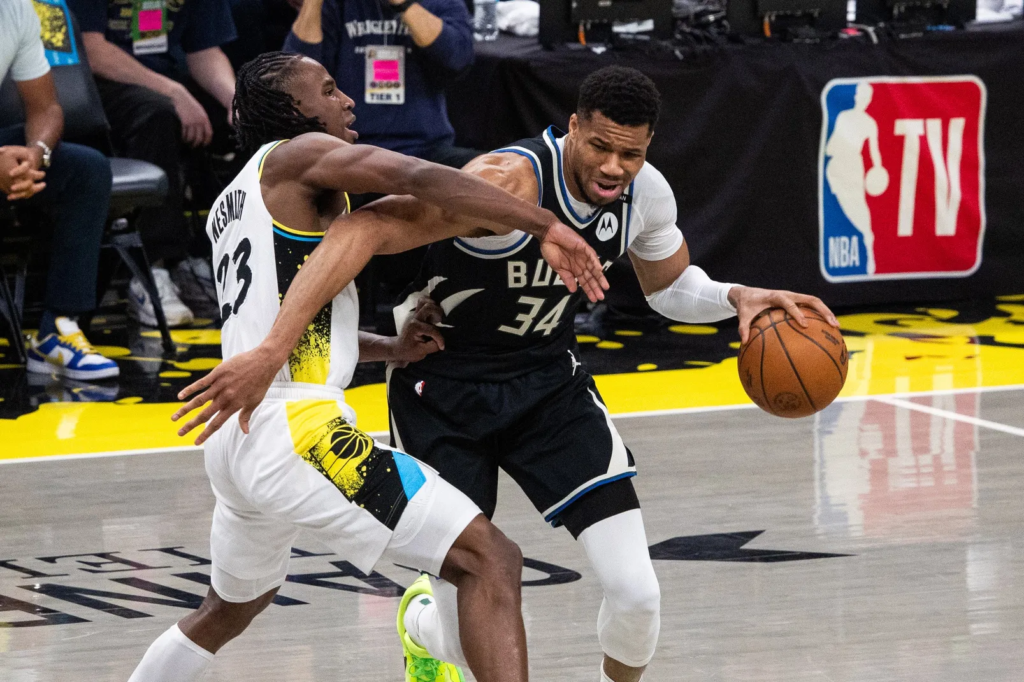
If you really want to read between the lines, look at:
- Plus/minus ratings
- Usage percentage
- Offensive and defensive ratings
- Pace metrics
These stats explain why a player’s impact went beyond scoring.
What These Stats Mean for Fans and Analysts
For fans, these stats help explain momentum.
For analysts, they reveal strategy.
For fantasy players, they predict trends.
Understanding context turns numbers into insight.
Conclusion: Stats Tell the Story, but Style Writes the Script
At the end of the day, Milwaukee Bucks vs Pacers match player stats are more than numbers on a screen. They’re reflections of identity, preparation, and execution. Power versus pace. Structure versus freedom.
So next time you check the box score, don’t rush it. Sit with it. The story is there — you just have to read it.
FAQs
Q1: Why are Bucks vs Pacers player stats so different each game?
Because the matchup depends heavily on pace, turnovers, and shooting efficiency.
Q2: Which team usually dominates rebounds?
The Milwaukee Bucks typically have an edge in rebounding due to their physical frontcourt.
Q3: Do Pacers players usually record more assists?
Yes, their offense emphasizes ball movement and transition play.
Q4: Are these stats useful for fantasy basketball?
Absolutely. Understanding matchup trends helps predict performance more accurately.
