

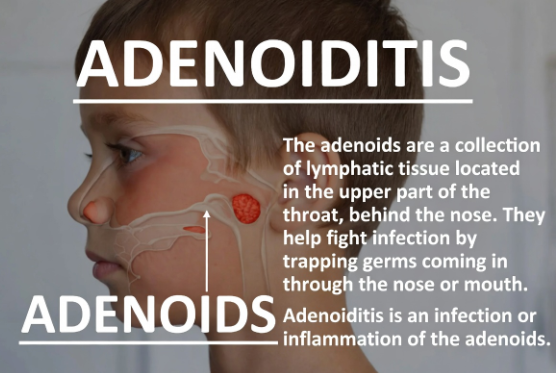
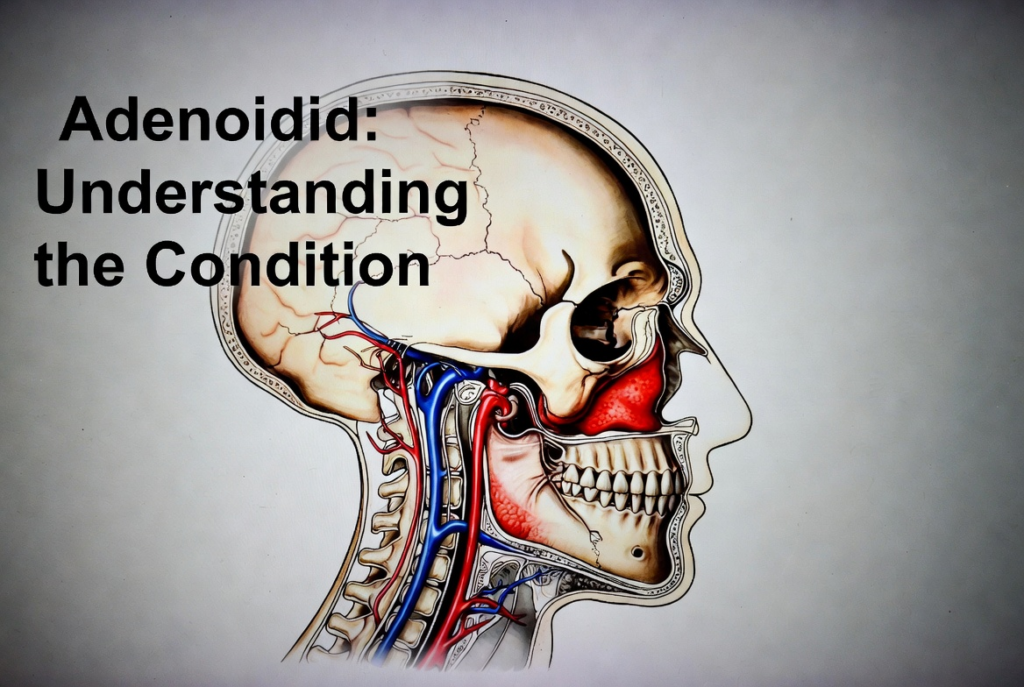
Adenoidid is a medical condition that affects the adenoids, small tissues located at the back of the nasal passage. These tissues play an important role in the body’s immune system, especially in children. Adenoidid occurs when these tissues become enlarged or infected, leading to discomfort and difficulty in breathing. Understanding adenoidid is important for parents, caregivers, and anyone concerned about nasal and throat health.
The condition is most common in children between the ages of two and six, but it can affect older children and adults in rare cases. Adenoidid can cause various symptoms that interfere with sleep, speaking, and overall daily life. Early diagnosis and treatment are essential to prevent long-term complications.
Symptoms of Adenoidid
Adenoidid presents several noticeable symptoms that can help in its identification. Persistent nasal congestion is one of the most common signs. Children may appear to have a blocked nose even without a cold, and they often breathe through their mouth.
Other common symptoms include snoring, restless sleep, and frequent waking at night. Chronic ear infections and difficulty hearing may also occur due to fluid buildup in the ears. Some children experience speech problems, a nasal-sounding voice, or difficulty swallowing. If you notice these symptoms, it is important to consult a healthcare professional for evaluation.
Causes of Adenoidid
Adenoidid is caused primarily by the inflammation or enlargement of the adenoids. Infections caused by viruses or bacteria can trigger this condition. When the adenoids react to infections, they can swell and block the airway, making it harder to breathe properly.
Genetic factors can also play a role. Some children naturally have larger adenoids, which makes them more susceptible to adenoidid. Allergies may contribute as well, causing repeated irritation and swelling in the adenoid tissues. Environmental factors, such as exposure to secondhand smoke or pollution, can worsen the condition.
Diagnosis of Adenoidid
Doctors diagnose adenoidid through physical examinations and medical history reviews. A common method involves using a small lighted instrument to look at the adenoids and check for swelling or blockage. Imaging tests, such as X-rays, may be used to see the size of the adenoids more clearly.
Hearing tests may also be conducted to check for ear fluid or infections, which are often associated with adenoidid. Early diagnosis is crucial, as prolonged adenoid problems can lead to speech delays, dental issues, and frequent infections.
Treatments for Adenoidid
Treatment for adenoidid depends on the severity of the condition. Mild cases may be managed with home remedies and monitoring. Nasal saline sprays and steam inhalation can help relieve nasal congestion. Doctors may also recommend medications to treat infections or allergies that contribute to adenoid swelling.
In severe or chronic cases, surgical removal of the adenoids, known as adenoidectomy, may be necessary. This procedure is common in children and has a high success rate. Surgery helps restore normal breathing, reduces snoring, and prevents recurring ear infections. Recovery is generally quick, and most children return to normal activities within a few days.
Complications of Adenoidid
If left untreated, adenoidid can lead to complications. Chronic breathing difficulties may cause poor sleep quality, leading to fatigue and behavioral problems in children. Recurrent ear infections can damage the eardrum and affect hearing.
Long-term blockage of the nasal airway may also affect dental development, causing misalignment of teeth and jaw issues. Speech development can be impacted as well, especially if the condition persists during critical growth periods.
Prevention and Care
While adenoidid cannot always be prevented, certain measures can reduce the risk of infections that lead to adenoid problems. Practicing good hygiene, such as regular handwashing, helps prevent the spread of viruses and bacteria. Avoiding exposure to cigarette smoke and pollutants can also reduce inflammation in the adenoids.
Healthy nutrition and a balanced diet support the immune system, helping the body fight infections naturally. Timely treatment of colds, allergies, and ear infections can prevent the adenoids from becoming swollen or infected.
Natural Remedies for Adenoidid
Some natural remedies may help alleviate the symptoms of adenoidid. Using a humidifier in the child’s room can keep the nasal passages moist and reduce congestion. Warm saline nasal rinses can also clear mucus and relieve discomfort.
Herbal teas with mild anti-inflammatory properties may support immune health. Ensuring the child drinks enough water and rests well also contributes to faster recovery. It is important to consult a doctor before relying solely on natural remedies, especially if the symptoms are severe.
When to See a Doctor
Parents should consult a doctor if their child shows persistent symptoms of adenoidid, such as snoring, mouth breathing, ear infections, or difficulty swallowing. Sudden worsening of symptoms or high fever indicates the need for immediate medical attention.
Regular check-ups are important for children with recurring adenoid problems. Early intervention prevents complications and ensures proper growth and development.
Living with Adenoidid
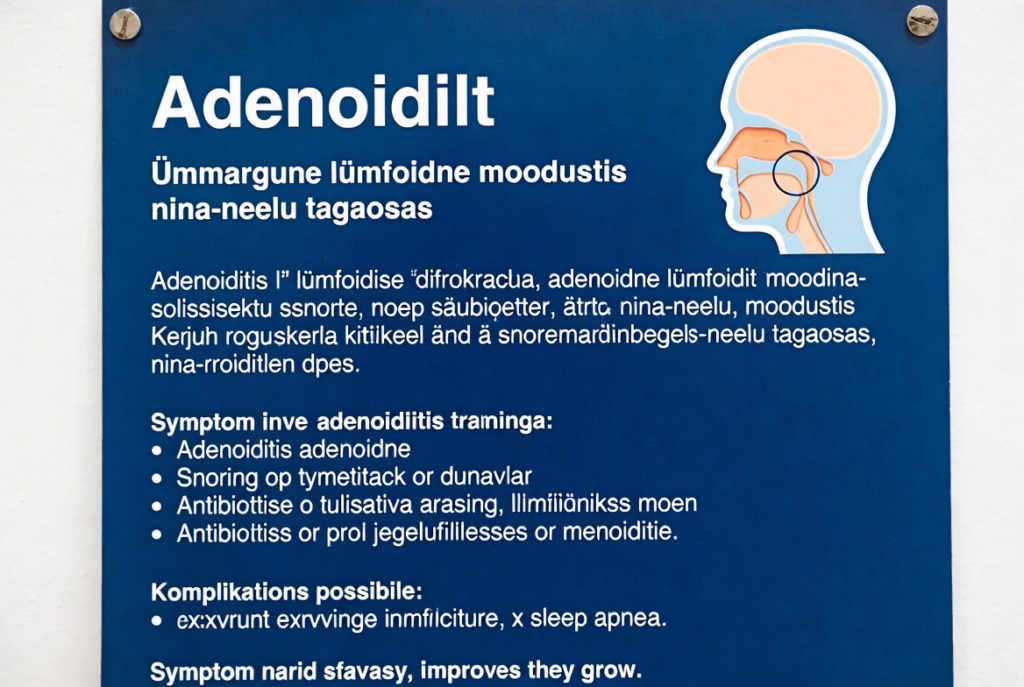
Living with adenoidid requires awareness and careful monitoring. Children may need extra care during sleep and daily activities. Managing allergies, avoiding irritants, and maintaining good hygiene are essential steps for improving overall comfort.
With proper medical care and lifestyle adjustments, children with adenoidid can lead healthy and active lives. Parents and caregivers play a crucial role in monitoring symptoms and seeking timely treatment to ensure long-term well-being.
Conclusion
Adenoidid is a common condition that affects the adenoids, especially in children. Understanding the symptoms, causes, and treatments is essential for managing the condition effectively. Early diagnosis and appropriate care can prevent complications and improve quality of life.
Whether through medical treatment or supportive care, children with adenoidid can experience relief and return to normal activities. Awareness, prevention, and timely intervention are the keys to keeping adenoidid under control and promoting healthy growth and development.
